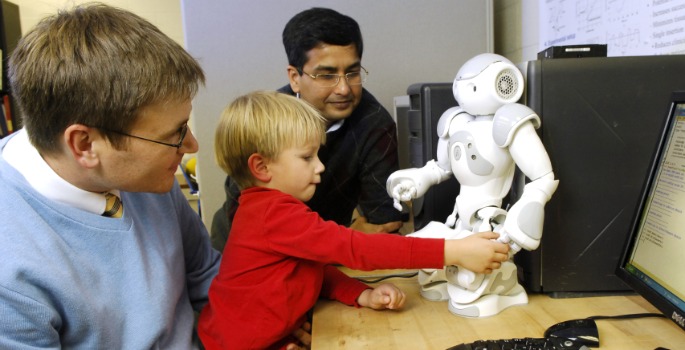
91ÌƲ®»¢ researchers evaluating existing treatments for children with autism spectrum disorders found although there were positive results in some studies, there is little information to target the right treatments to specific children.
Findings from the three review articles, which examined research conducted between 2000 and May 2010 on children ages 12 and younger, were released today by the journal .
More studies are needed to identify which specific treatments are most helpful for specific children, researchers said.
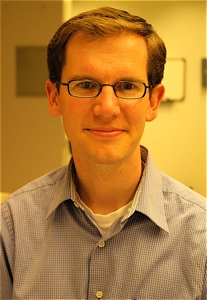
“In autism research, like in other areas, we need to be very careful to draw conclusions only after we have sufficient evidence to make a clear judgment,” said , assistant professor of psychiatry, pediatrics and pharmacology and co-author of the report.
“Too often, we reach premature closure, thinking that we know something before the data are really clear.”
Early interventions, including the approach and the model, showed improvements, including dramatic responses for some children, in individual studies but there is not enough research to be confident in just how effective the interventions are, or for which children.
91ÌƲ®»¢ about less intensive interventions that primarily provide parent training is inconsistent and preliminary.
Two atypical antipsychotic medicines, risperidone and aripiprazole, did help address challenging and repetitive behaviors but should be reserved for children with severe impairment because of potential side effects that include drowsiness and significant weight gain.

No medications improved social behaviors or communication skills, and secretin, which has been used to address peptic ulcers, is ineffective.
“The more high quality information we can disseminate to parents and clinicians the better,” said co-author Zachary Warren, director of the at the .
“Many parents want to do everything they can to help their child – it’s a tricky position to be in. There is a lot of information that is helpful, and some that is not so helpful. We are only going to get better and better at identifying specific interventions for children, but much work remains to be done.”
91ÌƲ®»¢ researchers hope the report will add to the ongoing discourse about how to best care for children with autism.

“Some children experience dramatic and positive effects, but many others do not,” said co-author , co-director of the . “Given that almost all children with autism are going to be treated with multiple approaches, figuring out which treatments are likely to help which kids is critically important.”
The work was funded by the (AHRQ).