From a range of political conspiracy theories to COVID-19 cures, we are living in a time of significant misinformation. Increasingly, people appear willing to live by ā€œfactsā€ that best suit their own viewpoints, making it difficult to determine whatā€™s true and whatā€™s false.

, assistant professor of psychology and human development at Peabody College, studies how people learn new information, and how to mitigate the effects of false information.
ā€œWhatā€™s different now is how quickly and how far misinformation can spread,ā€ Fazio says. ā€œParticularly with COVID-19, there is a lack of good, truthful information because scientists donā€™t yet have all the answers. Thatā€™s a place where misinformation can really breed.ā€
Though most of us believe we can identify false or misleading information, our brains often use ā€œshortcutsā€ to fool us, Fazio says. ā€œAs long as information is good enough and generally fits with what weā€™re expecting to hear, we donā€™t necessarily notice if there is an error.ā€
Fazio says one way this happens is through knowledge neglect, where we may have the correct knowledge in our heads but fail to use that knowledge in the moment. Prior research also demonstrates that people often use unreliable cues, like repetition, to judge truth rather than more accurate cues, such as their prior knowledge or the source of the information.
In a recent study Fazio conducted with 91ĢĘ²®»¢ undergraduates, students were more likely to agree with blatantly wrong statementsā€”such as, ā€œThe part of the plant that grows underground is the stemā€ā€”when they had been repeated.
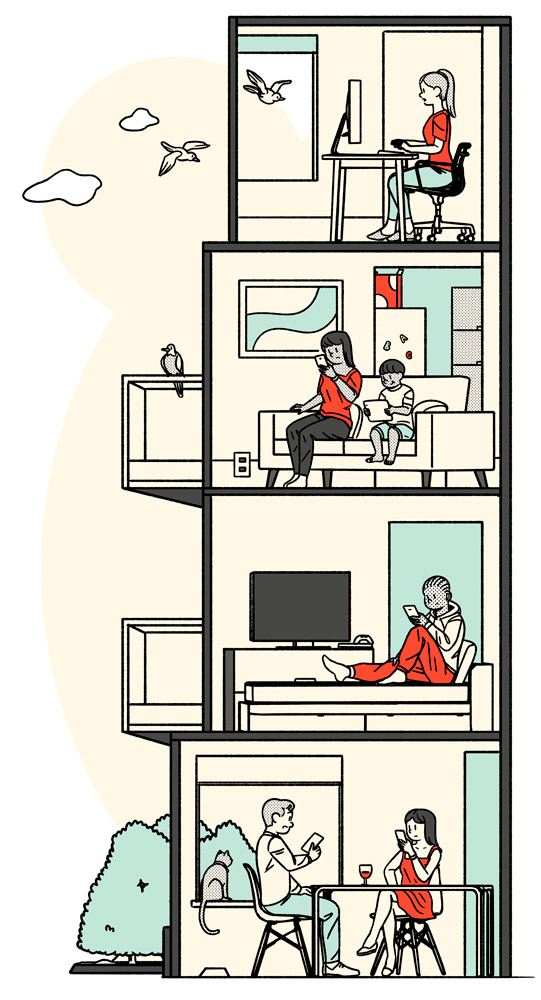
ā€œWhen researchers talk about living in a post-truth world, they mean living in a society that doesnā€™t value the truth anymore, where people can lie without consequences and thereā€™s no effort to get the correct information out there,ā€ Fazio says. ā€œI donā€™t think weā€™re there yet. I think Americans do value the truth, they value accuracy, and they want to see accurate information.ā€
Here are a few tips from Fazio to avoid knowledge neglect and spreading misinformation.
1. Donā€™t trust your gut.
If reading something gives you an emotional reaction, thatā€™s when you should stop to think about whether itā€™s true or false. ā€œIf you think, ā€˜this is so great, I canā€™t wait for someone else to see it,ā€™ thatā€™s your time to pause,ā€ says Fazio. Stop and ask, where does it come from? Is the source reputable? ā€œOne of the best things you can do to combat misinformation is to pause and think about what youā€™re reading rather than relying on your gut instinct.ā€
2. Google it.
Grab the text of a headline or a few words from a social media post and enter it into Google to see what pops up. ā€œA lot of times you see either debunking of information or verification that itā€™s real,ā€ says Fazio. ā€œIf itā€™s a real news article, there should be multiple recognizable news sources reporting that same information.ā€
3. Seeing is not believing.
Manipulating images on social media and websites is one of the most prevalent forms of misinformation. However, readers can use search engines to determine an imageā€™s legitimacy by checking to see if it has been posted before. ā€œThese images can be detected easily,ā€ Fazio says. ā€œAnd in the future, it could be as simple as social media platforms keeping a database of these habitually reused images and labeling them as such.ā€
4. Read before sharing (or commenting).
Donā€™t share stories without reading them first, Fazio suggests, adding that we all can play a role in improving the quality of information available online. ā€œThere are a lot of forces at play that donā€™t always make it easy to discern what is true,ā€ she says, ā€œbut we all have a responsibility to promote accurate information online.ā€