Health And Medicine
-

Frisse, Weiner elected to Institute of Medicine
91ÌƲ®»¢ University’s Betsy Weiner, Ph.D., R.N., senior associate dean for Informatics in the School of Nursing, and Mark Frisse, M.D., MS, MBA, Accenture Professor and director of Regional Informatics, have been elected to the Institute of Medicine (IOM), the organization announced this week. Read MoreOct 21, 2013
-

Institute of Medicine honors 91ÌƲ®»¢â€™s Clayton
Ellen Wright Clayton, M.D., J.D., the Craig-Weaver Professor of Pediatrics and professor of Law at 91ÌƲ®»¢ University, has won the David Rall Medal from the Institute of Medicine (IOM) for “exemplaryâ€� service to the institute. Read MoreOct 21, 2013
-

Frog-killing fungus paralyzes amphibian immune response
A fungus that is killing frogs and other amphibians around the world releases a toxic factor that disables the amphibian immune response, 91ÌƲ®»¢ University investigators report Oct. 18 in the journal Science. Read MoreOct 17, 2013
-
VUMC joins national stroke prevention research network
91ÌƲ®»¢ University Medical Center has joined a national network funded by the National Institutes of Health to streamline multi-site clinical trials focused on key interventions in stroke prevention, treatment and recovery. Read MoreOct 17, 2013
-
Fellow tracks post-vaccination bacterial trends
Pediatric Infectious Diseases fellow Annabelle de St. Maurice, M.D., has been awarded a grant to determine the relationship between pneumococcal vaccination and the emergence of certain strains of pneumococcal bacteria not covered by vaccines. Read MoreOct 17, 2013
-

Pharmacogenomic testing costs studied
A research team led by Josh Peterson, M.D., MPH, assistant professor of Biomedical Informatics and Medicine, and John Graves, Ph.D., assistant professor of Preventive Medicine, will study the cost-effectiveness of testing patients’ risk of adverse gene-drug interactions. Read MoreOct 17, 2013
-

New technique tracks breast cancer subtypes, treatment effectiveness
A group of 91ÌƲ®»¢ researchers has used laser technology and a custom-built multiphoton microscope to distinguish breast cancer subtypes and determine if specific therapies are working against the cancer cells in as little as two days. Read MoreOct 17, 2013
-
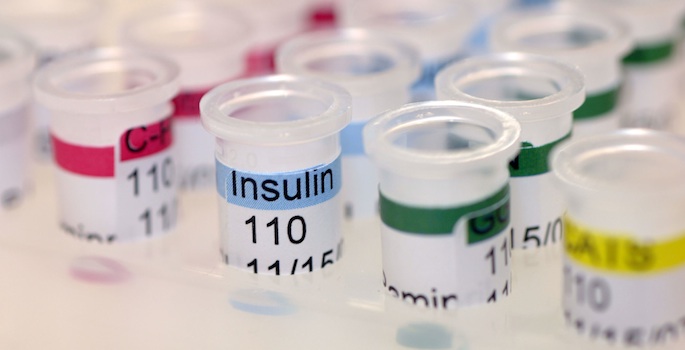
Relaxin combats insulin resistance
The hormone relaxin may offer a novel approach for treating diet-induced insulin resistance. Read MoreOct 16, 2013
-

Magnesium impacts vitamin D status
Magnesium and vitamin D appear to work together to reduce risk of death from cardiovascular disease and colorectal cancer. Read MoreOct 14, 2013
-
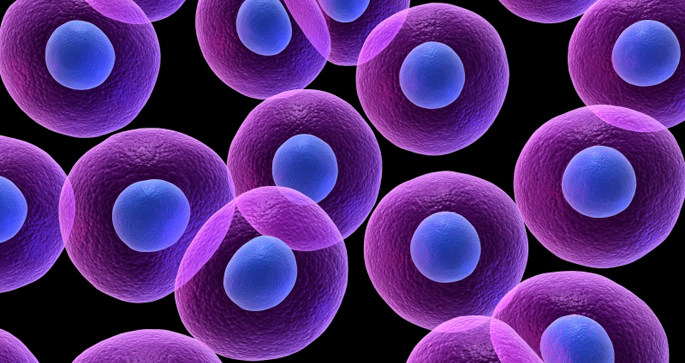
New target for stopping inflammation
Importin alpha 5, a member of a family of proteins that “shuttle� other proteins into the nucleus, is a potential new target for drugs to treat inflammatory diseases. Read MoreOct 11, 2013
-
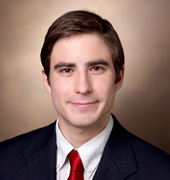
Student’s neurosurgical fellowship spurs research
Travis Ladner, a third-year student at the 91ÌƲ®»¢ University School of Medicine, has been selected for a 2013 Congress of Neurological Surgeons (CNS) student fellowship award. The award is presented to a medical student every year from a national pool of applicants. Read MoreOct 10, 2013
-

Grant bolsters study of nursing workforce’s future
91ÌƲ®»¢ University’s Center for Interdisciplinary Health Workforce Studies has been awarded $2.2 million from the Gordon and Betty Moore Foundation to address nursing workforce issues that may impede future health care. Read MoreOct 10, 2013
-
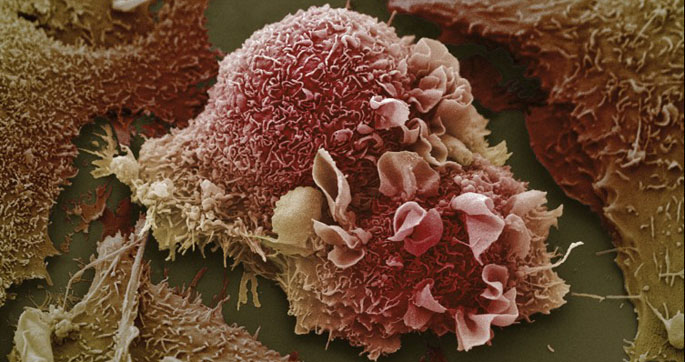
Probing mutant EGF receptor regulation
Understanding the regulation of mutant EGF receptors commonly found in lung cancers could lead to new targeted therapies. Read MoreOct 10, 2013
-
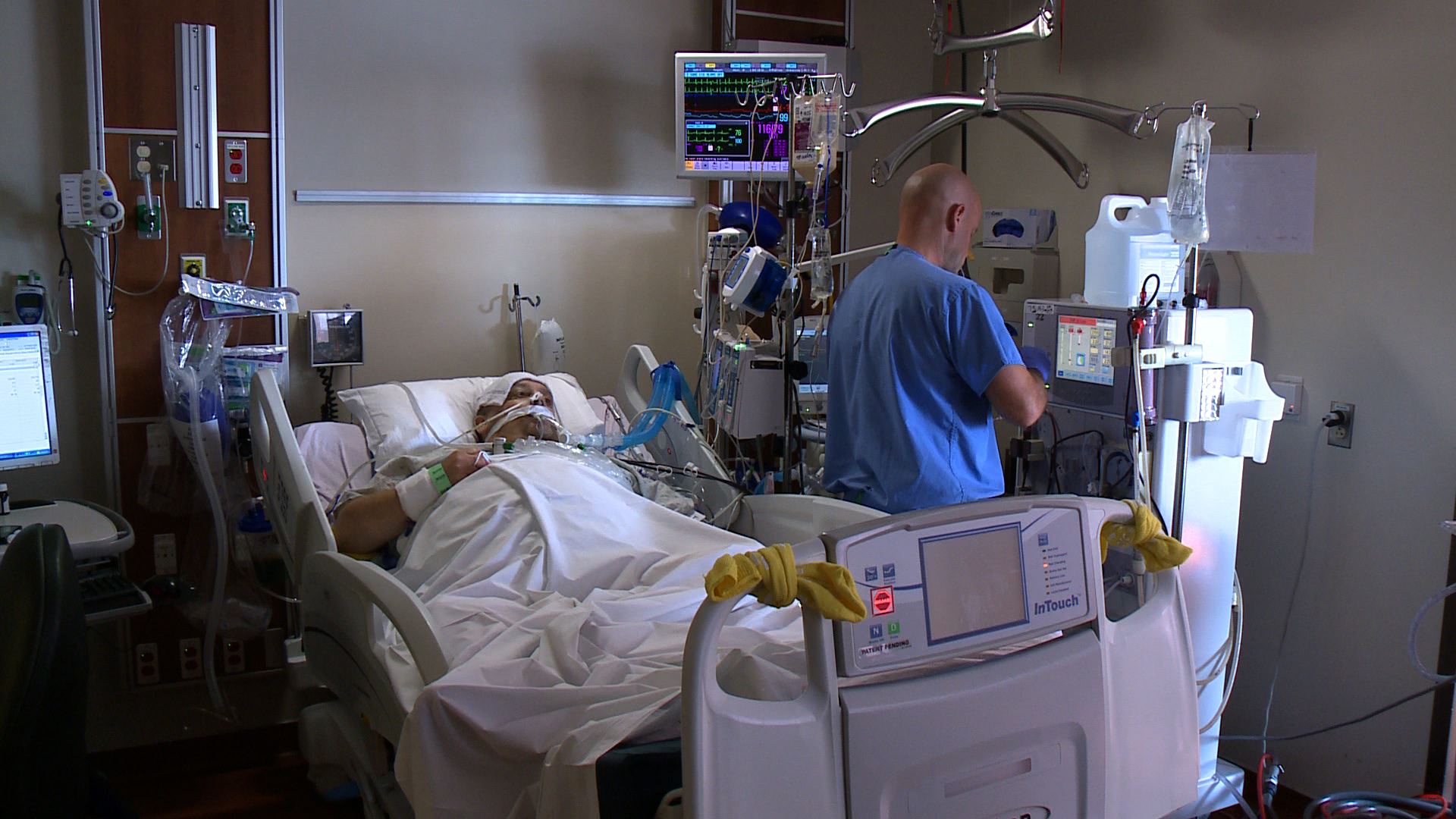
Long-term brain impairment too common after critical illness
A recent 91ÌƲ®»¢ study shows a significant number of patients are entering I.C.U.’s throughout the world with no evidence of cognitive — brain related issues, but are leaving with symptoms associated with mild Alzheimer’s or Traumatic Brain Injury. Barb Cramer has more. Read MoreOct 8, 2013
-
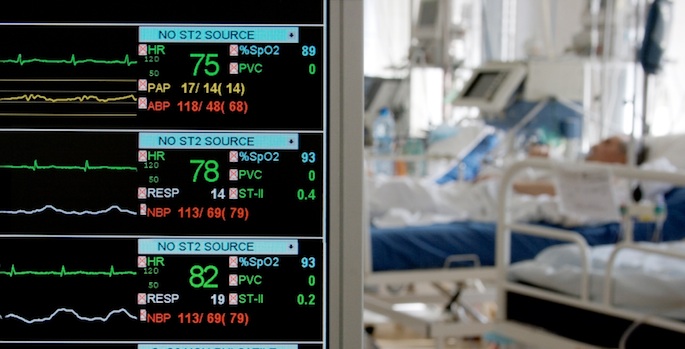
Study finds cognitive deficits common after critical illness
Patients treated in intensive care units across the globe enter their medical care with no evidence of cognitive impairment but often leave with deficits similar to those seen in patients with traumatic brain injury (TBI) or mild Alzheimer’s disease (AD) that persist for at least a year, according to a 91ÌƲ®»¢ University Medical Center study published today in the New England Journal of Medicine. Read MoreOct 3, 2013
-
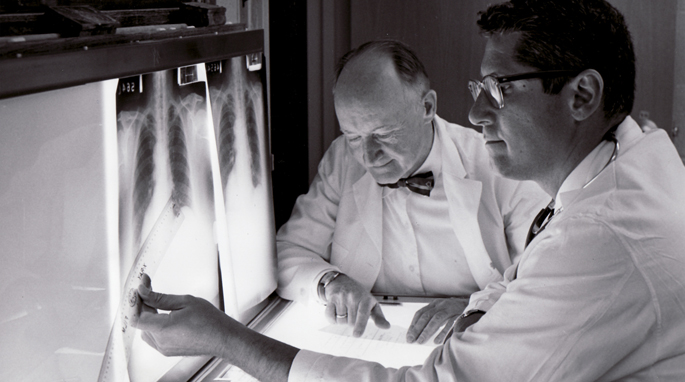
Framingham Heart Study’s landmark impact examined
While the Framingham Heart Study is often referenced throughout the halls of academia, few know its origin or can fully appreciate the contribution it has made to the understanding and prevention of cardiovascular disease. Read MoreOct 3, 2013
-
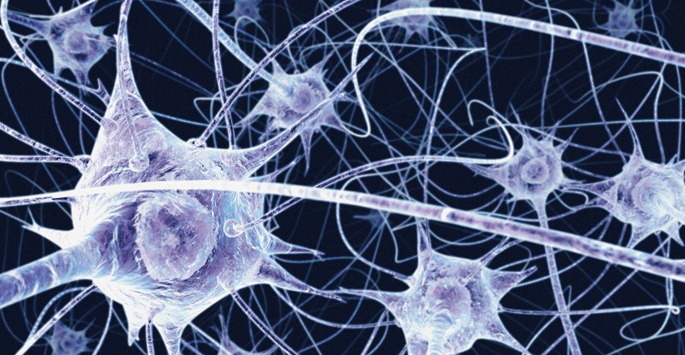
Early cell death in MS
Death of oligodendrocytes, the cells that make myelin, appears to be an early event in the development of multiple sclerosis. Read MoreOct 2, 2013
-
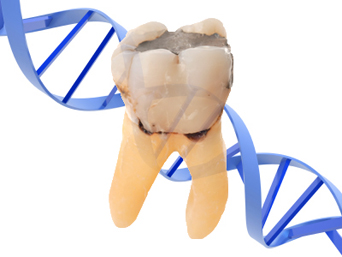
Gene interactions and cavities
91ÌƲ®»¢ researchers used existing genome-wide association study datasets to identify gene interactions that contribute to tooth decay. Read MoreSep 30, 2013
-

Metabolic profiling of vision loss
A panel of metabolites – small molecules that are part of metabolic processes – that are unique to macular degeneration will shed light on the disease and aid diagnosis. Read MoreSep 27, 2013
-
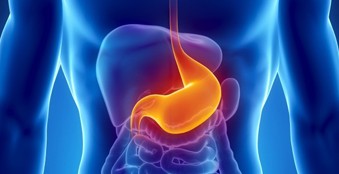
Cell changes en route to stomach cancer
Molecular characterization of pre-cancerous changes in cells lining the stomach could point to lesions with a greater risk of progression to cancer. Read MoreSep 26, 2013