Life, Earth And Space
-

These days, fecal transplantation is no joke
Fecal transplants are increasingly being used to treat certain human illnesses and more scientists have begun to research the transplants' effects in animals. Read MoreJul 12, 2016
-
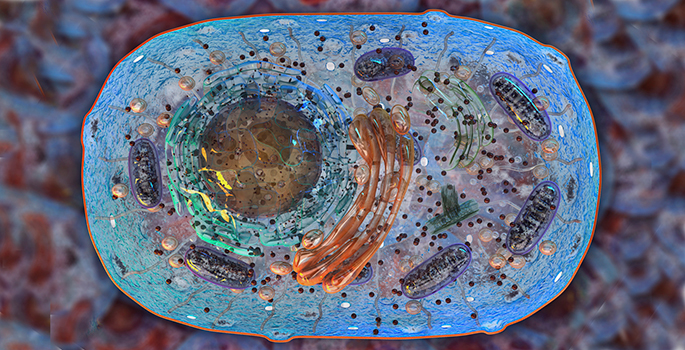
When mitochondrial genes act up
A team of 91ÌƲ®»¢ scientists have identified some of the methods that mutant mitochondrial DNA use to circumvent the molecular mechanisms that cells use to regulate mitochondrial activity. Read MoreJul 12, 2016
-
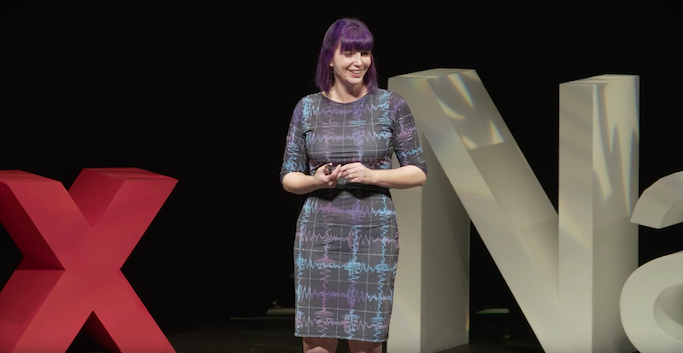
Astrophysicist explains meaning of the discovery of gravitational waves
91ÌƲ®»¢ Associate Professor of Physics and Astronomy Kelly Holley-Bockelmann explains the meaning of the first discovery of gravitational waves at TEDx Nashville. Read MoreJun 17, 2016
-
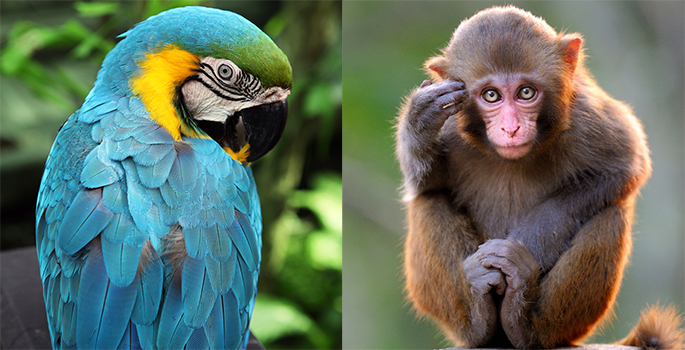
Study gives new meaning to the term ‘bird brain’
The first study to systematically measure the number of neurons in the brains of birds has found that they have significantly more neurons packed into their small brains than are stuffed into mammalian and even primate brains of the same mass. Read MoreJun 13, 2016
-
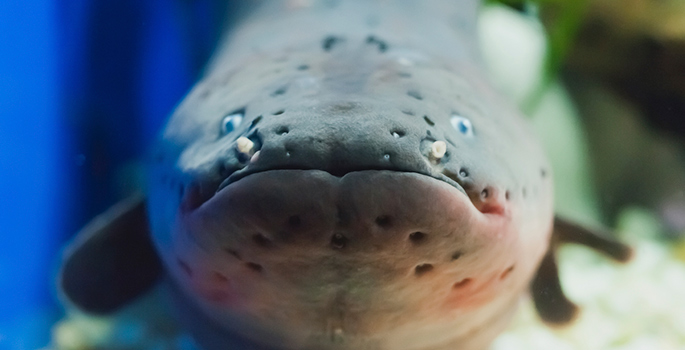
Electric eels make leaping attacks
91ÌƲ®»¢ biologist Kenneth Catania has accidentally discovered that electric eels can make leaping attacks that dramatically increase the strength of the electric shocks they deliver. In doing so, Catania has confirmed a 200-year-old observation by famous 19th-century explorer and naturalist Alexander von Humboldt. Read MoreJun 6, 2016
-
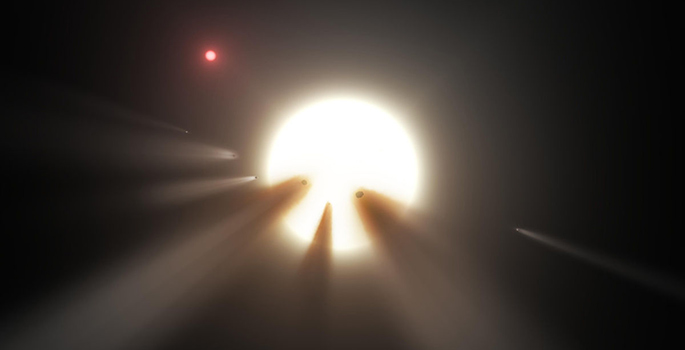
New study supports natural causes, not alien activity, explain mystery star’s behavior
The results of a new study make it far less likely that KIC 8462852, popularly known as Tabby’s star, is the home of industrious aliens who are gradually enclosing it in a vast shell called a Dyson sphere, a theory that went viral over the past year. Read MoreMay 9, 2016
-
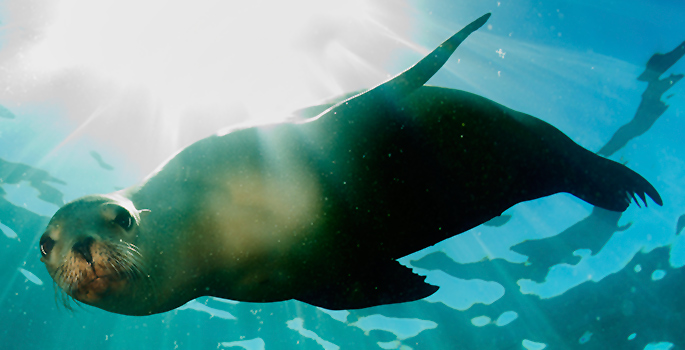
Scientists establish first map of the sea lion brain
A team of neuroscientists at 91ÌƲ®»¢ University has taken an important step toward uncovering the mystery behind the California sea lion's prodigious intelligence by conducting the first comprehensive study of their central nervous systems. Read MoreApr 27, 2016
-
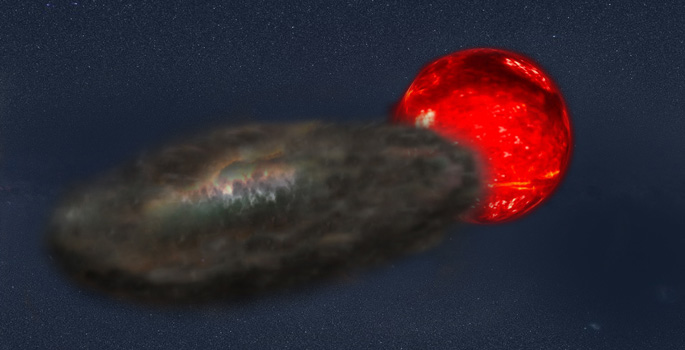
Longest-lasting stellar eclipse discovered
Astronomers have discovered an unnamed pair of stars that sets a new record for both the longest duration stellar eclipse (3.5 years) and longest period between eclipses (69 years) in a binary system. Read MoreFeb 17, 2016
-
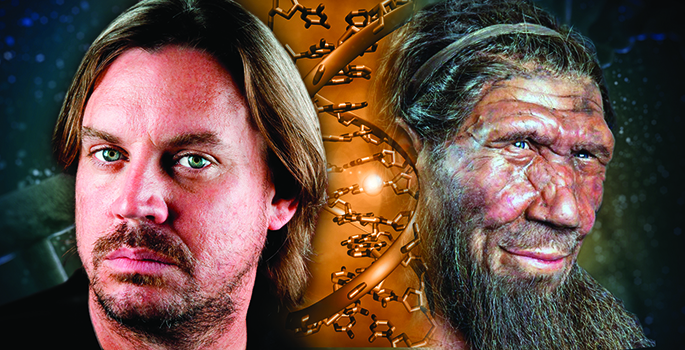
Neanderthal DNA has subtle but significant impact on human traits
The first study that directly compares Neanderthal DNA in the genomes of a significant population of adults of European ancestry with their clinical records confirms that this archaic genetic legacy has a subtle but significant impact on modern human biology. Read MoreFeb 11, 2016
-
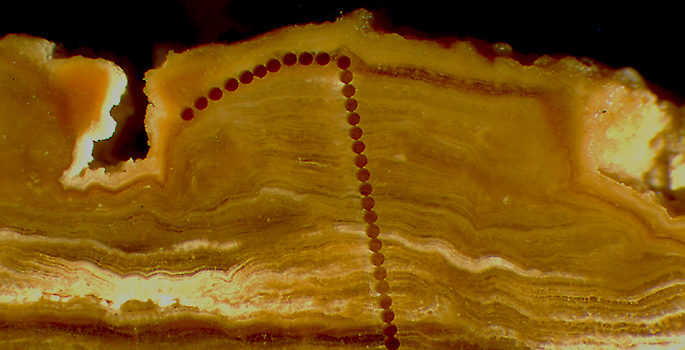
Growth rings on rocks provide new insights into past climates
Application of new micro-analytical techniques have transformed rocks and gravel buried in a special type of soil into a rich source of data about past climates that can help scientists understand how the climate will change in the future. Read MoreJan 15, 2016
-
Chemist Jens Meiler receives Humboldt Foundation award
Associate Professor of Chemistry Jens Meiler has received a Friedrich Wilhelm Bessel 91ÌƲ®»¢ Award from the Alexander von Humboldt Foundation in Bonn, Germany. Read MoreDec 15, 2015
-
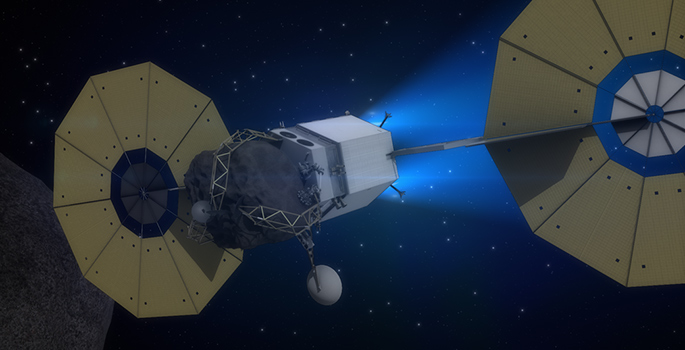
New detector perfect for asteroid mining
A new generation of gamma-ray spectrometer being developed by researchers and students in the Fisk-91ÌƲ®»¢ Master's-to-Ph.D. Bridge program is perfectly suited for detecting valuable minerals hidden within the asteroids, comets, moons and minor planets in the solar system. Read MoreNov 19, 2015
-
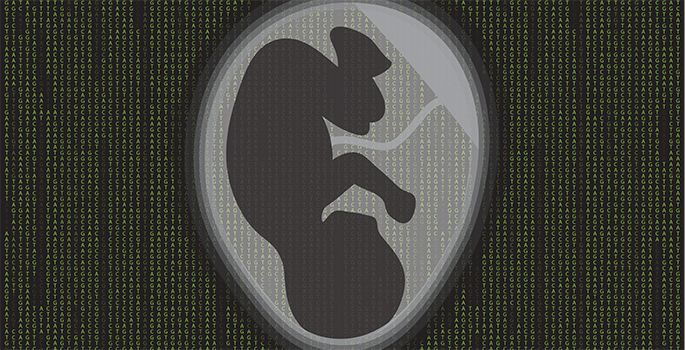
New online tool created to tackle complications of pregnancy and childbirth
An interdisciplinary team of biologists and medical researchers have created a new platform, which they call GEneSTATION specifically designed to leverage the growing knowledge of human genomics and evolution to advance scientific understanding of human pregnancy and translate it into new treatments for the problems that occur when this complex process goes awry. Read MoreNov 11, 2015
-
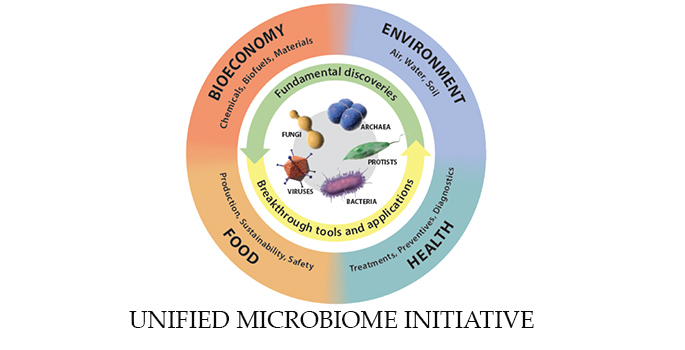
91ÌƲ®»¢ chemist part of major microbiome research initiative
91ÌƲ®»¢ chemist helps craft call for major new research initiative to increase our understanding of the invisible world of microbes that surround us. Read MoreNov 4, 2015
-
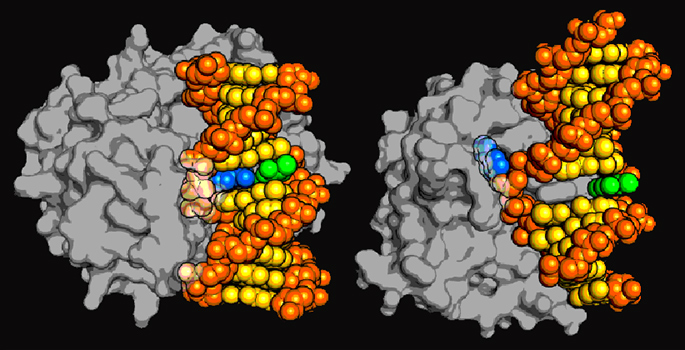
New class of DNA repair enzyme discovered
A new class of DNA repair enzyme has been discovered which demonstrates that a much broader range of damage can be removed from the double helix in ways that biologists did not think were possible. Read MoreOct 29, 2015
-
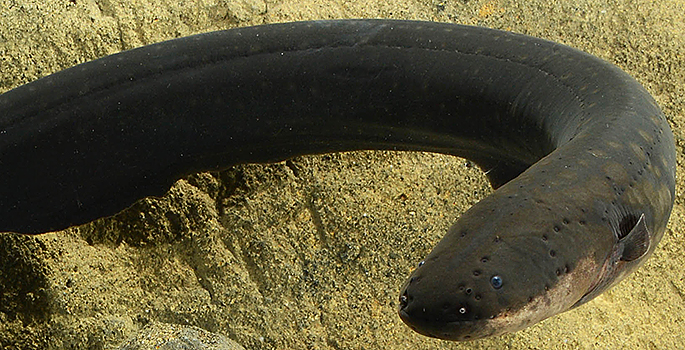
Electric eel: most remarkable predator in animal kingdom
Recent research by 91ÌƲ®»¢ University biologist Ken Catania of the electric eel has revealed that it is not primitive creature that it has been portrayed as. Instead, it has a sophisticated control of the electrical fields it generates that makes it one of the most remarkable predators in the animal kingdom. Read MoreOct 28, 2015
-

New ‘geospeedometer’ confirms super-eruptions have a short fuse
A new "geospeedometer" that can measure the amount of time between the formation of an explosive magma melt and an eruption confirms that the process took less than 500 years in several ancient super-eruptions. Read MoreOct 20, 2015
-
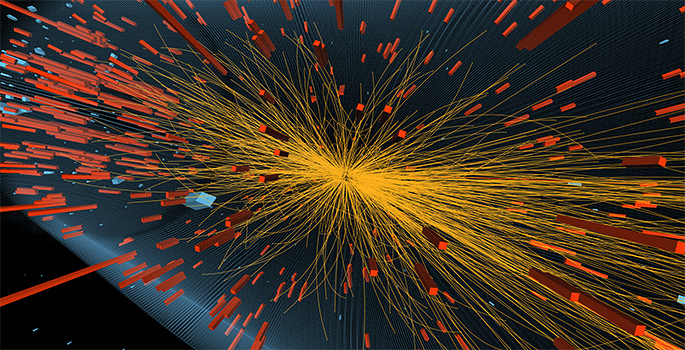
World’s largest atom smashers create world’s smallest droplets
Recent experiments at the world's largest atom smashers are producing liquid drops so small that they raise the question of how small a droplet can be and still remain a liquid. Read MoreOct 2, 2015
-
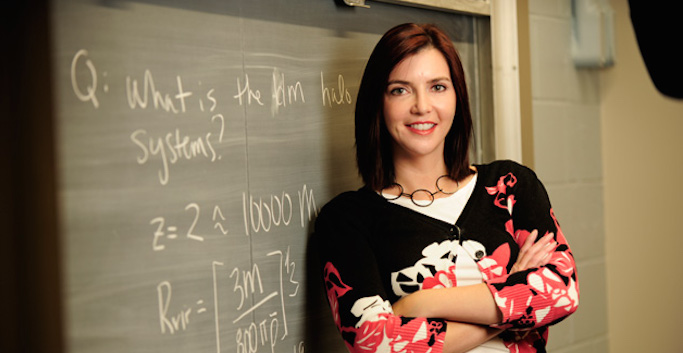
Holley-Bockelmann named director of Fisk-91ÌƲ®»¢ Master’s-to-Ph.D. Bridge Program
Kelly Holley-Bockelmann, associate professor of physics and astronomy, has been named director of the Fisk-91ÌƲ®»¢ Master’s-to-Ph.D. Bridge Program, College of Arts and Science Dean Lauren Benton announced. Read MoreSep 14, 2015
-
Jessica Oster is a member of a small group of earth scientists pioneering the use of mineral cave deposits in stalagmites, collectively known as speleothems, as proxies for the prehistoric climate.
Sep 3, 2015