Life, Earth And Space
-
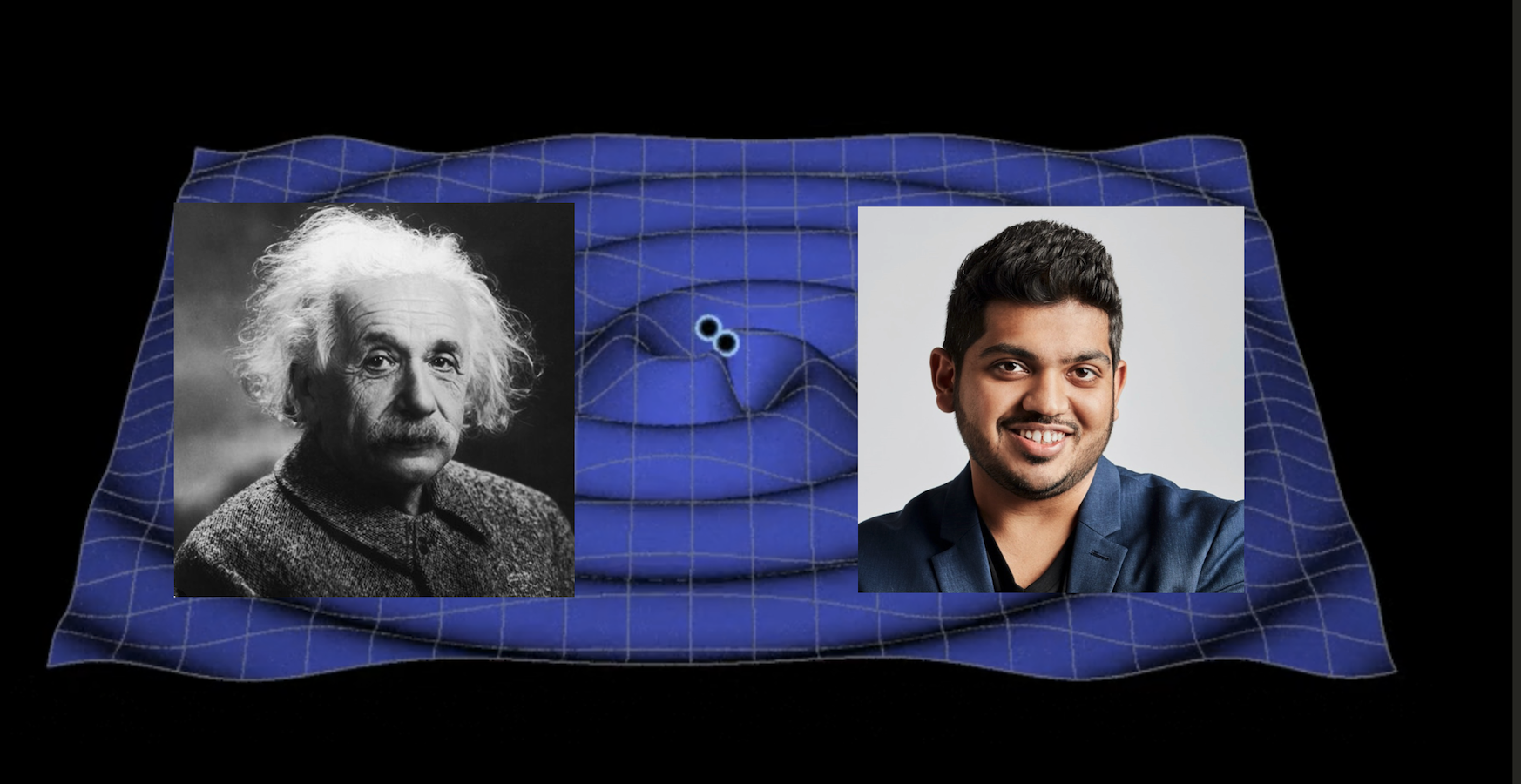
Scientist who helped prove Einstein theory opens doors to black holes for students with diverse majors
91ÌƲ®»¢ astrophysicist Karan Jani helped prove Einstein's theory of relativity as it relates to black holes and gravitational waves. Learn how he's using his expertise to teach undergrads with diverse majors who are eager to learn about space. Read MoreJun 26, 2023
-
Marie-Claire Harrison, a graduate student in the Department of Biological Sciences, has been named the 2023 recipient of the Brighter Ventures Student Award. The Brighter Ventures Student Award supports Ph.D. students interested in the application of artificial intelligence in the biomedical research field.
May 31, 2023
-
Four from 91ÌƲ®»¢ and VUMC elected as 2023 members of American Academy of Arts and Sciences
Four 91ÌƲ®»¢ and VUMC faculty—MarÃa Magdalena Campos-Pons, Kimryn Rathmell, Keivan Stassun and Major Jackson—have been elected to the American Academy of Arts and Sciences, a record number of elections from 91ÌƲ®»¢ in a single year. Read MoreApr 27, 2023
-
The cultural evolution of a population depends not only on size but also on the degree of specialization within a population, according to a new study published last month by a team of scientists including Nicole Creanza. The study found that populations can increase their cultural repertoire by subdividing knowledge into smaller groups, but the total group must be sufficiently large for specialization to be advantageous.
Apr 20, 2023
-
A new study led by members of Ann Tate’s lab found evidence that pleiotropy may slow down evolution of genes involved in immunity.
Apr 20, 2023
-
Graduate student Reese Martin and his doctoral advisor, Ann Tate, assistant professor of biological sciences, used theoretical modeling to identify a potential relationship between genetic pleiotropy and the evolution of immune responses.
Apr 13, 2023
-
Sarah Worthan, along with Robert McCarthy and Megan Behringer, led a new effort to understand the effects of the environment on the outcome of experimental evolution studies.
Apr 11, 2023
-
Stephen Ferguson, first-author of a new paper with his postdoctoral advisor, Laurence Zwiebel, along with two undergraduates associated with the lab, Isaac Bakis and Nicholas Edwards, confirmed the existence of a specialized soldier caste within an ant species.
Apr 3, 2023
-
91ÌƲ®»¢ researcher Amanda Lea, along with a global team of experts, has discovered new pathways of natural selection in humans.
Feb 16, 2023
-
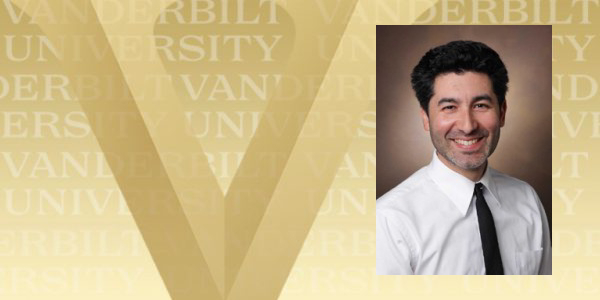
Keivan Stassun appointed to National Science Board by President Joe Biden
Keivan Stassun, Stevenson Professor of Physics and Astronomy and director of the Frist Center for Autism and Innovation at 91ÌƲ®»¢ University, has been appointed to the National Science Board by President Joe Biden. Read MoreJan 26, 2023
-
With a newly developed technique, 91ÌƲ®»¢ professor Jessica Oster is revealing how prehistoric climate change shaped fire activity in California.
Jan 23, 2023
-

91ÌƲ®»¢ Snapshot: Tonga volcanic eruption creates foundational knowledge, portends short-term climate effects
A submarine volcanic eruption in the Kingdom of Tonga sheds light on volcanic behavior and new ways to understand the impact of volcanoes on climate. Est. reading time: 2.5 mins. Read MoreJan 23, 2023
-
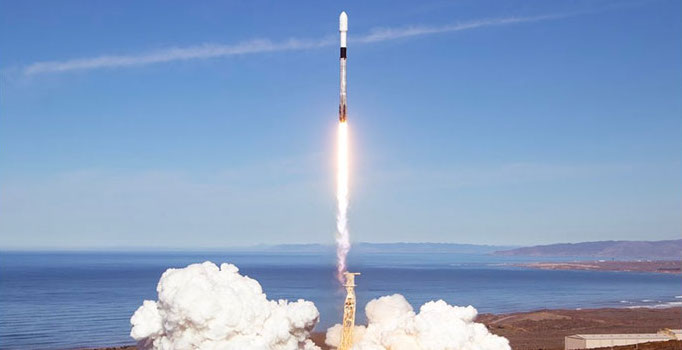
Esteemed astrophysics professor Keivan Stassun co-authors study for NASA on increasing diversity and inclusion in space mission leadership
Keivan Stassun, Stevenson Professor of Physics and Astronomy and director of the Frist Center for Autism and Innovation, is a co-author of the study “Increasing Diversity and Inclusion in the Leadership of Competed Space Missions.� The report will be published by the National Academies of Sciences, Engineering and Medicine on May 18. Read MoreMay 18, 2022
-
91ÌƲ®»¢ researchers are studying a bacterial pathogen that can survive on hospital surfaces — without water — for months, an ability that has helped it become a leading cause of hospital-acquired infections.
May 5, 2022
-
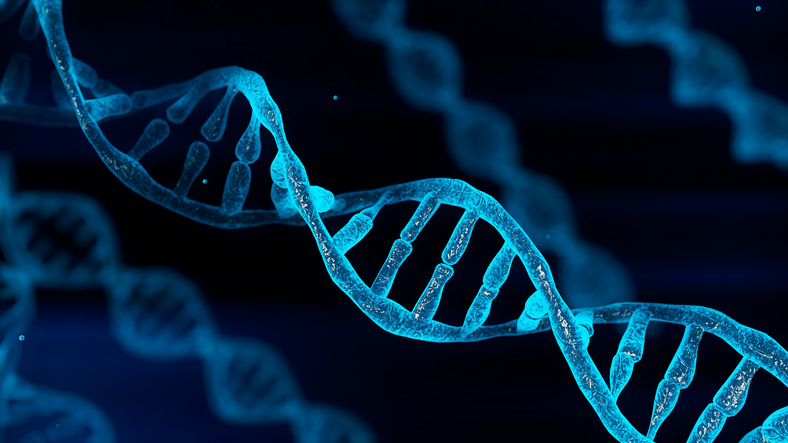
Literature researchers identify attitudes toward genetics across 100 years of film and television
Science’s influence on pop culture is undeniable, and the reverse is equally important. 91ÌƲ®»¢ led by Jay Clayton, the first literature professor to ever receive funding from the NIH, shows that films portray genetic science as risky far more often than television shows. Read MoreFeb 28, 2022
-
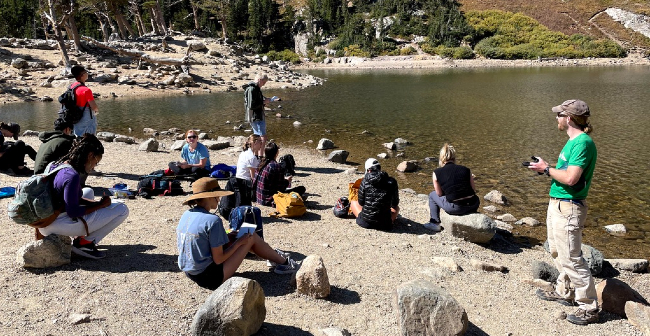
91ÌƲ®»¢ in Colorado mountains takes students’ environmental immersion to new heights
Students in the Glacial Geology class took their research to new levels of immersion, collecting soil and rock samples at an elevation of 9,000 feet in the Sawatch Mountain Range of Colorado. Their research helps show the movement of glaciers, ultimately giving clues about the impact of climate change. Read MoreJan 20, 2022
-
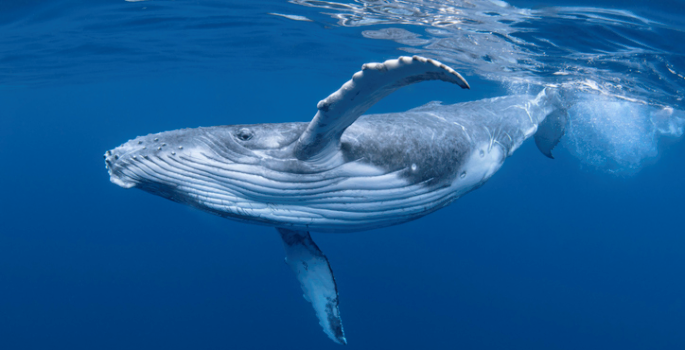
91ÌƲ®»¢ researcher outlines how whales’ sensory systems have evolved through imaging technology
In a review of 100 years of research on the sensory systems in whales, Rachel Racicot, research assistant professor of biological sciences, describes advances in the field and key questions that remain. Read MoreDec 2, 2021
-

Student’s fascination with astronomy inspires first completed Immersion 91ÌƲ®»¢ project
Thanks to her passion for astronomy, as well as mentoring from faculty, undergraduate Samantha Bianco is both a named co-author on a graduate-level scientific research paper and the first 91ÌƲ®»¢ student officially to have completed an Immersion 91ÌƲ®»¢ project. Read MoreJan 25, 2021
-
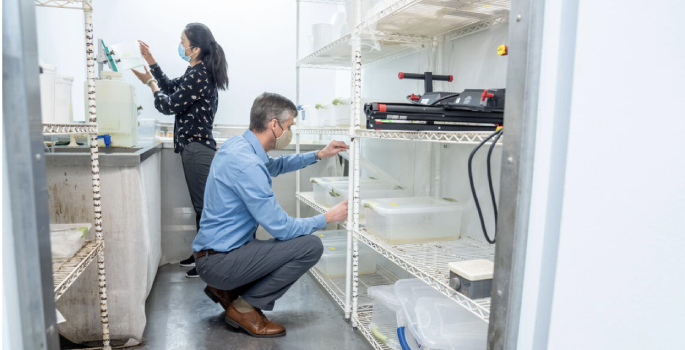
Immune and circulatory systems are functionally integrated in all insects, 91ÌƲ®»¢ biologists demonstrate
A new study shows that insect immune and circulatory systems cooperate to fight infection, similar to those in mammals. Read MoreDec 16, 2020
-
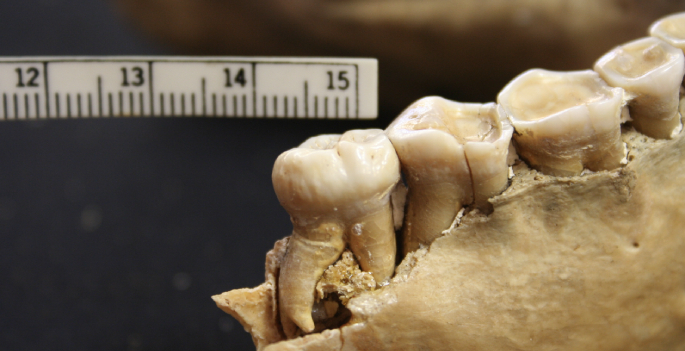
Analysis of ancient teeth reveal clues about how sociopolitical systems grow
Isotope analysis of ancient Peruvian teeth gives anthropologists a clearer image of how cooperating societies function. Read MoreDec 15, 2020